
Modern SEO & GEO Methods
Strategic E-Commerce Search Visibility & Revenue Growth
Organic search growth and company branding in AI require precise technical prioritization, tactical site architecture, and entity-rich content. My modern site SEO methods bridge deep technical diagnostics with rapid execution. Matrix Rising protocols deliver sustainable visibility, increased conversion rates, and measurable revenue growth through Google search results, AI Mode, and emerging AI search engines.
- Initial Audit & Tiered Deliverables Engagements begin with an initial baseline audit to evaluate core technical health, identify immediate quick wins, and determine which scope of deliverables best align with your company’s goals and target speed. Deliverables are organized into three clear tiers:
- Essential: Critical building blocks required for our specific organic and AI search campaign to lift off. This includes core technical diagnostics, keyword research and entity-to-page mapping, AI mentions and citations analysis and targeting, content and HTML tag optimization, content writing direction for core pages, competitor links analysis, internal linking recommendations, mobile SEO review, and a clear content development plan.
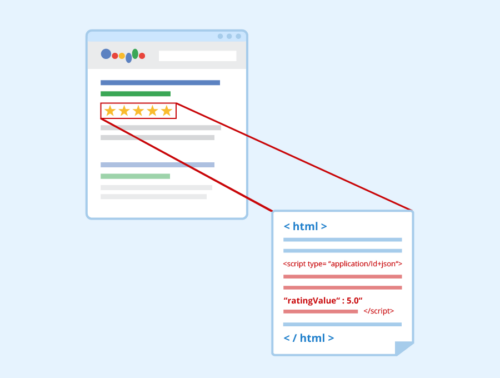
- Aggressive: Covers essential items above, plus in-depth competitor analysis of ranking tactics and authority earning, advanced link equity funneling, navigation menu restructure, Schema markup, SERP feature targeting, branded search audits, internal site search and filter menu culling, image optimization, page revenue and traffic analysis, blogging strategy direction, content writing for core pages, earned authority outreach strategy, backlink profile analysis when necessary, site speed optimization oversight, and user experience (UX) analysis as needed.
- Comprehensive: The full-scale technical and strategic suite. This builds on the Essential and Aggressive plans with deep search index cleanup, authority audits, organic search click-through rate (CTR) optimization, expanded linkable asset creation, expanded authority outreach, video SEO, and engagement analysis.
- Dual-Track Execution & Quick Wins Once basic crawling, indexation, and rendering checks are established, I deploy a dual-track strategy: launching deep site diagnostics while simultaneously executing high-impact quick win methods identified in the initial audit.
- Striking-Distance Keyword Acceleration: Ranking on Page 1 of Google is essential to earning mentions and citations inside AI search engines. I immediately identify and optimize striking-distance keywords (queries ranking in positions 8 through 20) to push them into top Page 1 positions for rapid traffic and LLM mention and citation gains.
 Internal Site Search & Filter Cleanup: On e-commerce sites, internal search parameters and unaligned faceted filters frequently leak into search engines, creating thousands of low-quality, duplicate URLs that cannibalize core category pages. Blocking parameter URLs eliminates ranking cannibalization, protects overall domain quality signals in Google's assessment, consolidates link equity, and improves conversion by directing visitors to intentional category layouts. This usually helps to substantially increase conversion rates on category and purchasing pages, reduce clickbacks (or pogosticking) and thus improving click-through rates which tends to lift rankings in Google.
- Rapid Technical Remediations: Resolving broken canonical tags, fixing indexation status failures, unblocking critical rendered content, and resolving 404 and 5xx server errors which have been shown to make it impossible for light-speed LLM crawlers to render page text content and thereby mention and cite your brand.
 Internal Site Search & Filter Cleanup: On e-commerce sites, internal search parameters and unaligned faceted filters frequently leak into search engines, creating thousands of low-quality, duplicate URLs that cannibalize core category pages. Blocking parameter URLs eliminates ranking cannibalization, protects overall domain quality signals in Google's assessment, consolidates link equity, and improves conversion by directing visitors to intentional category layouts. This usually helps to substantially increase conversion rates on category and purchasing pages, reduce clickbacks (or pogosticking) and thus improving click-through rates which tends to lift rankings in Google.
- SERP Layout Analysis & Page 1 Search Authority Traditional Google positioning remains the foundation of modern discovery across both standard search engines and modern AI platforms. To earn citations inside AI platforms, a domain must first establish authority on Page 1 of standard search results.
- SERP Feature & Layout Mapping: In 2026, search results push traditional blue links further down the page, particularly in e-commerce. I analyze search result layouts for SERP filters to target entry into along with AI Overviews, featured snippets, video blocks to win, People Also Ask questions, and visual elements worth targeting.
- Topical Relevance & Entity Building: I build topical authority across core keyword groups, ensuring search engines recognize your domain as a primary authority across your market sector.
- Generative Engine Optimization (GEO) & AEO With a strong Page 1 foundation established, I align your page layout structures, H1-H3 headings, site data, and entity attributes for the exact formats AI engines reference when we follow these modern site SEO methods.
- Entity Relationships & Schema: I build clean JSON-LD Schema markup
- and structured entity connections engineered for large language model extraction and verification.
- AI Search Discovery: I format declarative brand facts and high-intent answers for discovery across ChatGPT, Perplexity, Gemini, Claude, and Google AI Overviews.

- Search Experience Optimization (SXO) & Technical Governance Search traffic only matters if it converts into revenue. SXO bridges the gap between search acquisition and site conversion by aligning user intent directly with page experience.
- On-Page Intent Alignment: I evaluate landing page layouts, messaging, and site speed metrics (including TTFB, CLS, and INP) to eliminate purchase friction and guide visitors toward conversion.
- Pragmatic Developer Governance: Having managed SEO programs for 15 years, I work seamlessly with a wide range of engineering teams. I deliver developer-friendly technical specifications and collaborate directly inside project environments like Azure DevOps, ClickUp, Monday.com, Asana, Wrike, Basecamp, Teams, and Slack to ensure code gets deployed accurately.
Ready to apply these modern site SEO methods to your platform? Let's evaluate your site's technical health.